natural medicineWhat Is Psilocybin and How Does It Work?
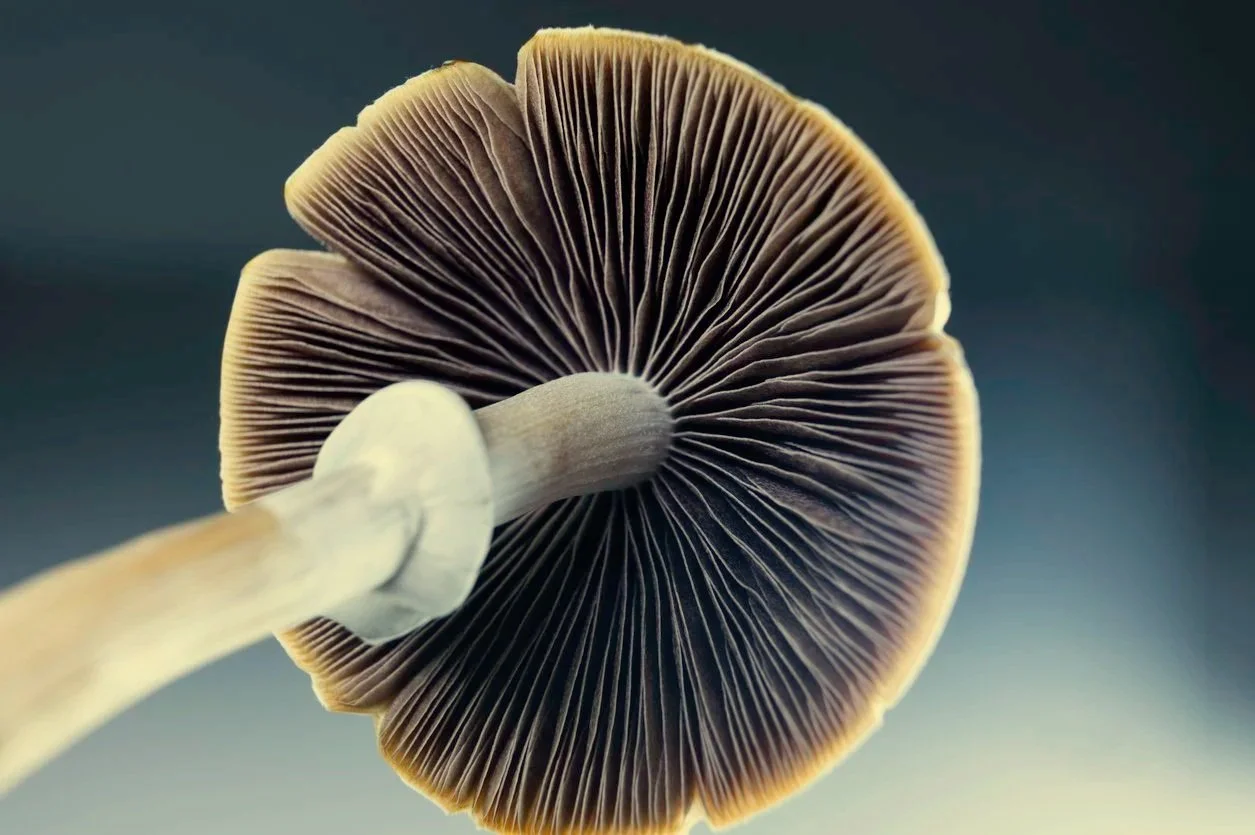
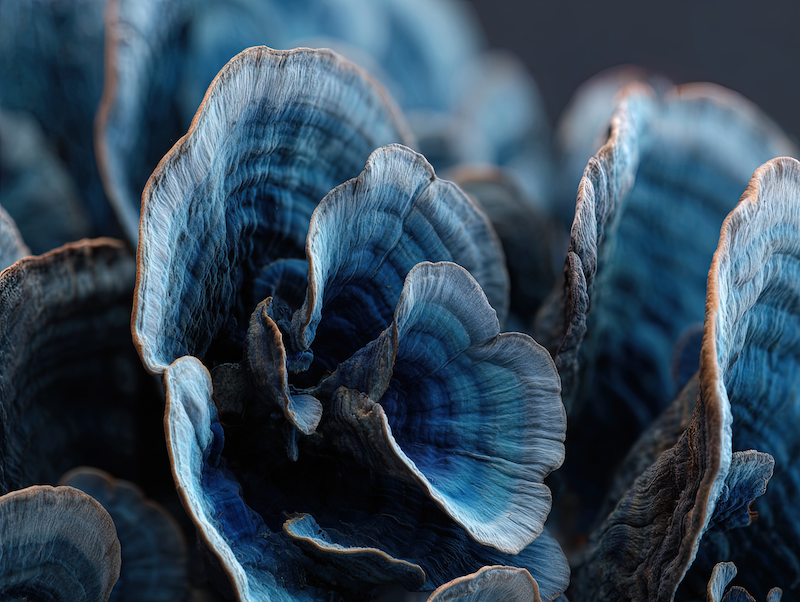
Psilocybin is the active compound found in certain mushrooms. It has been used across cultures for thousands of years and is now being explored in controlled, research-informed settings for its potential to support emotional processing, perspective shifts, and deeper connection to self.


A LICENSED, REGULATED PSILOCYBIN PRACTICE
At Southwest Healing Center, natural medicine work takes place in a safe, legal, and supportive setting. Each experience is approached with screening, preparation, administration, and integration, with support extending before, during, and after the medicine session.
A Door Into Altered States of Consciousness
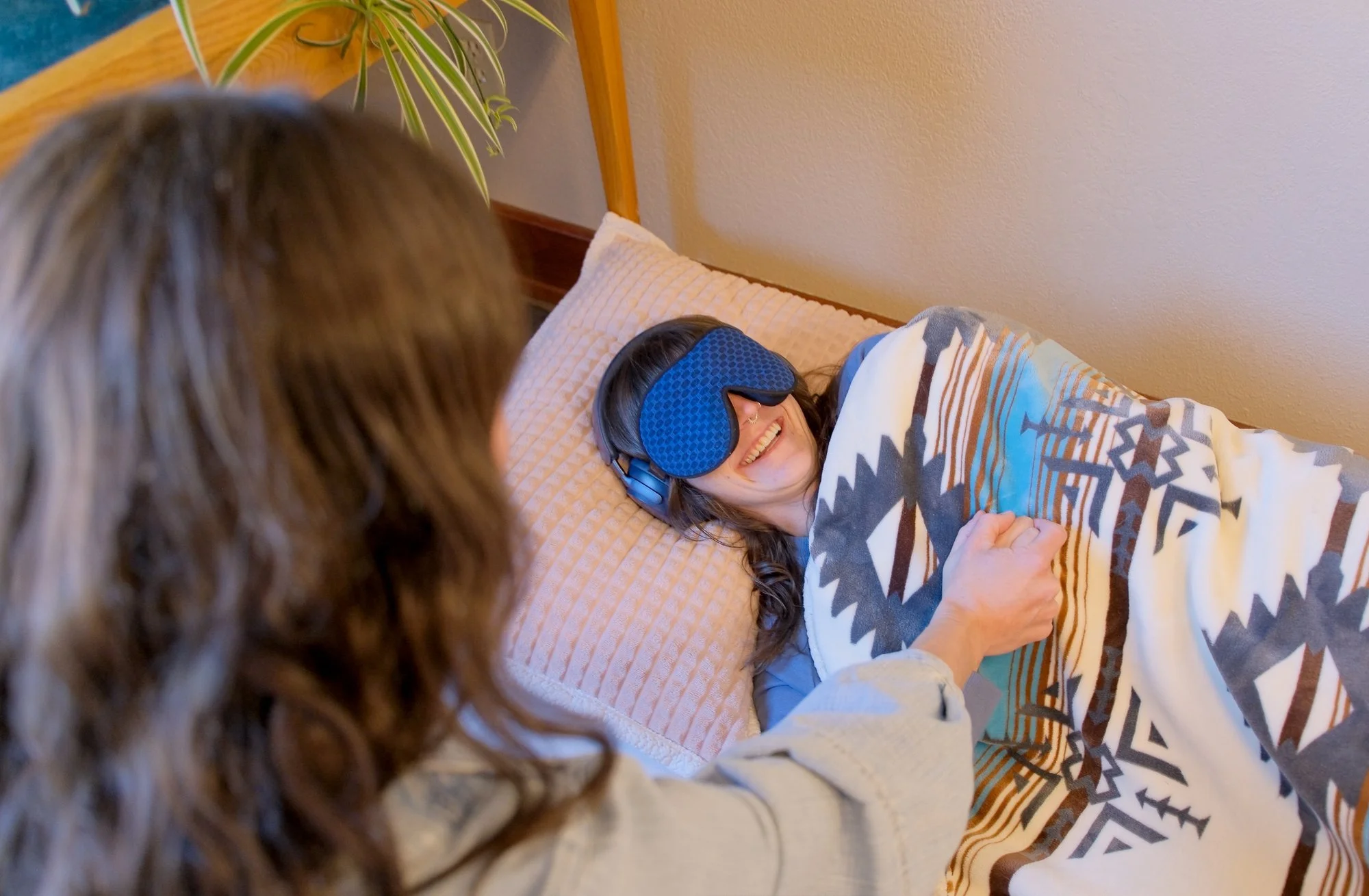
Psilocybin opens the door into altered states of consciousness, where ordinary defenses may soften and new perspectives may become more accessible.
This brings forward emotions, memories, images, body sensations, or insights that have been difficult to reach through thinking and talking alone. The experience is deeply individual and cannot be fully predicted, which is one reason preparation, setting, and integration matter so much.
The process creates conditions for a person to safely explore what may arise, without forcing a specific outcome or trying to control the experience.

What the Research Suggests
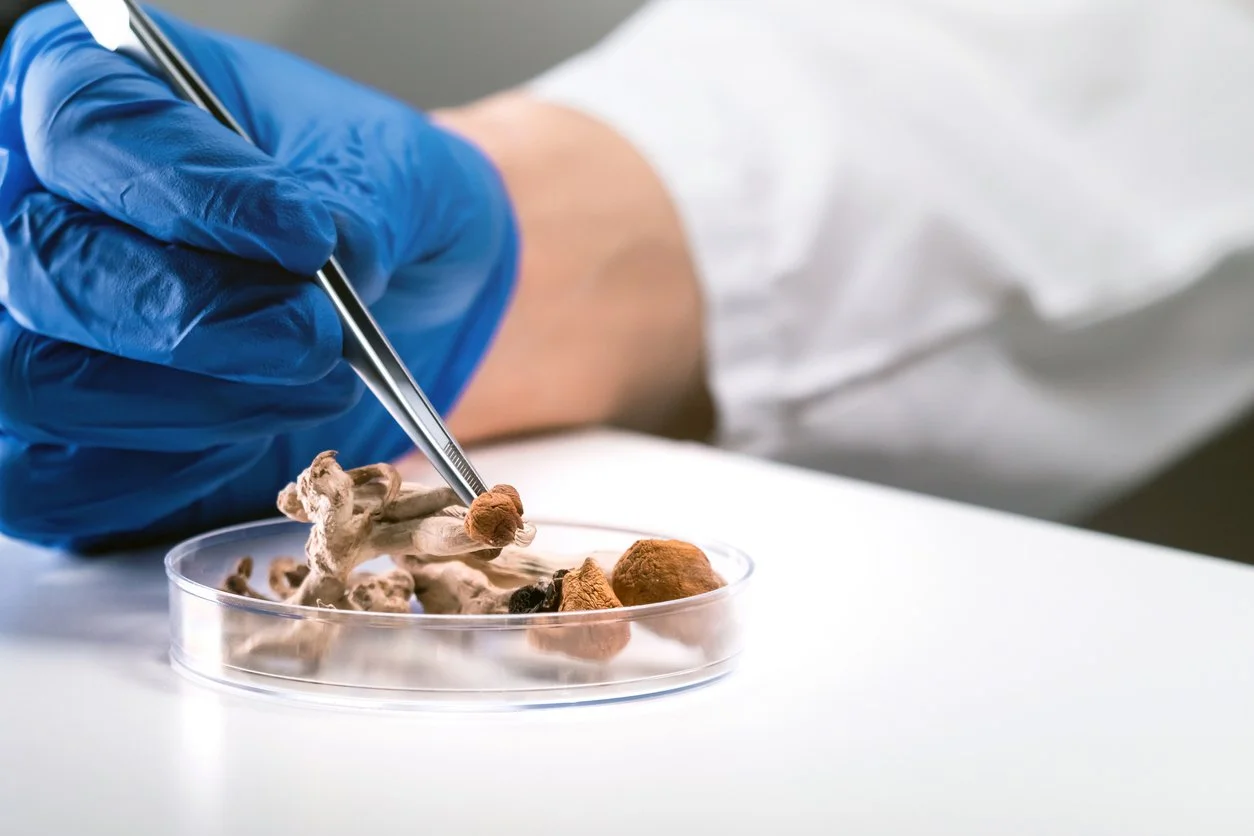
Research conducted in controlled clinical settings indicates that psilocybin may support:
Changes in mood, perception, and emotional processing.
Reductions in symptoms of depression and anxiety following guided sessions.
The ability to shift perspective and respond differently to thoughts and emotions.
Reductions in end-of-life anxiety for those facing terminal illness.
Temporary changes in brain network activity, including reduced rigidity in self-referential thinking.
Outcomes appear to be strongly influenced by preparation, environment, and integration.
Increase in neuroplasticity, the brain’s lifelong ability to reorganize, adapt, and rewire itself
Findings referenced above draw from peer-reviewed studies.
See Sources ↓
Research is ongoing. Results vary from person to person. Psilocybin is not a cure and is not a replacement for medical or mental health treatment.

A Regulated, Research-Informed Practice
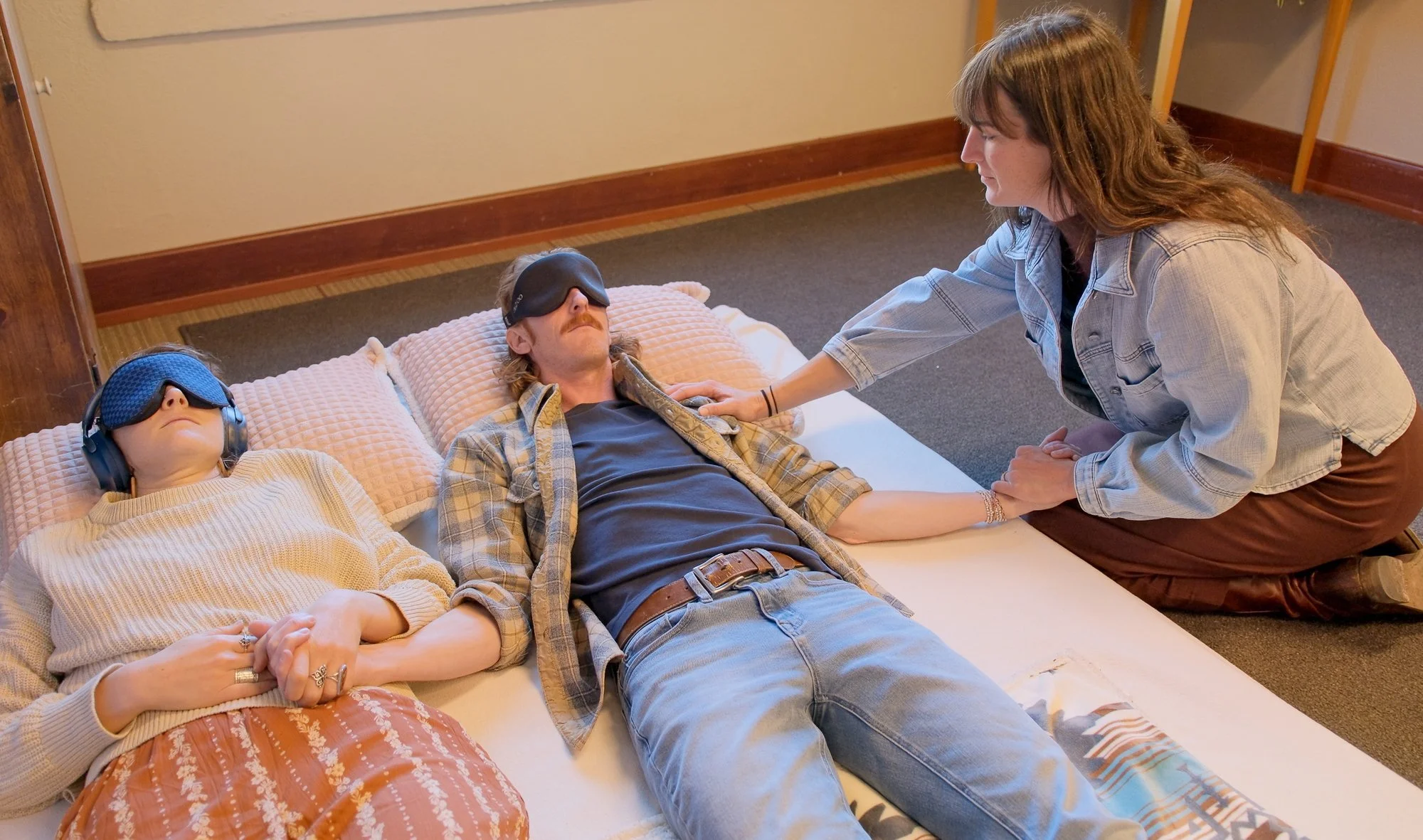
Southwest Healing Center provides natural medicine services within Colorado's regulated framework. Led by myself, an additional facilitator upon request, the work is grounded in screening, informed consent, preparation, administration, integration, and respect for each person's autonomy.
The process begins before the medicine session itself. Screening helps determine whether this work is appropriate at this time. Preparation helps build readiness, clarify intentions, and support a safer experience. Administration takes place in a licensed setting. Integration helps translate what came forward into real life.
This work calls for clear information, realistic expectations, and a thoughtful process for those who feel genuinely drawn to it.
SourcesWhere The Research Comes From
The findings referenced on this page come from peer-reviewed clinical research, academic institutions, and educational organizations studying psilocybin, psychedelic-assisted therapy, consciousness, and mental health.
For deeper learning, the Resources page includes research, books, articles, videos, podcasts, and harm reduction resources related to psilocybin, preparation, integration, safety, and emerging best practices.
Davis, A. K., et al. (2021). Effects of Psilocybin-Assisted Therapy on Major Depressive Disorder: A Randomized Clinical Trial. JAMA Psychiatry, 78(5), 481–489.
Griffiths, R. R., et al. (2016). Psilocybin produces substantial and sustained decreases in depression and anxiety in patients with life-threatening cancer: A randomized double-blind trial. Journal of Psychopharmacology, 30(12), 1181–1197.
Ross, S., et al. (2016). Rapid and sustained symptom reduction following psilocybin treatment for anxiety and depression in patients with life-threatening cancer: A randomized controlled trial. Journal of Psychopharmacology, 30(12), 1165–1180.
Carhart-Harris, R. L., et al. (2014). The entropic brain: A theory of conscious states informed by neuroimaging research with psychedelic drugs. Frontiers in Human Neuroscience, 8, 20.
Hartogsohn, I. (2017). Constructing drug effects: A history of set and setting. Drug Science, Policy and Law, 3.
Johns Hopkins Center for Psychedelic and Consciousness Research — ongoing research into psilocybin-assisted therapy.
This is a starting list, not a complete bibliography. Research in this field continues to evolve.